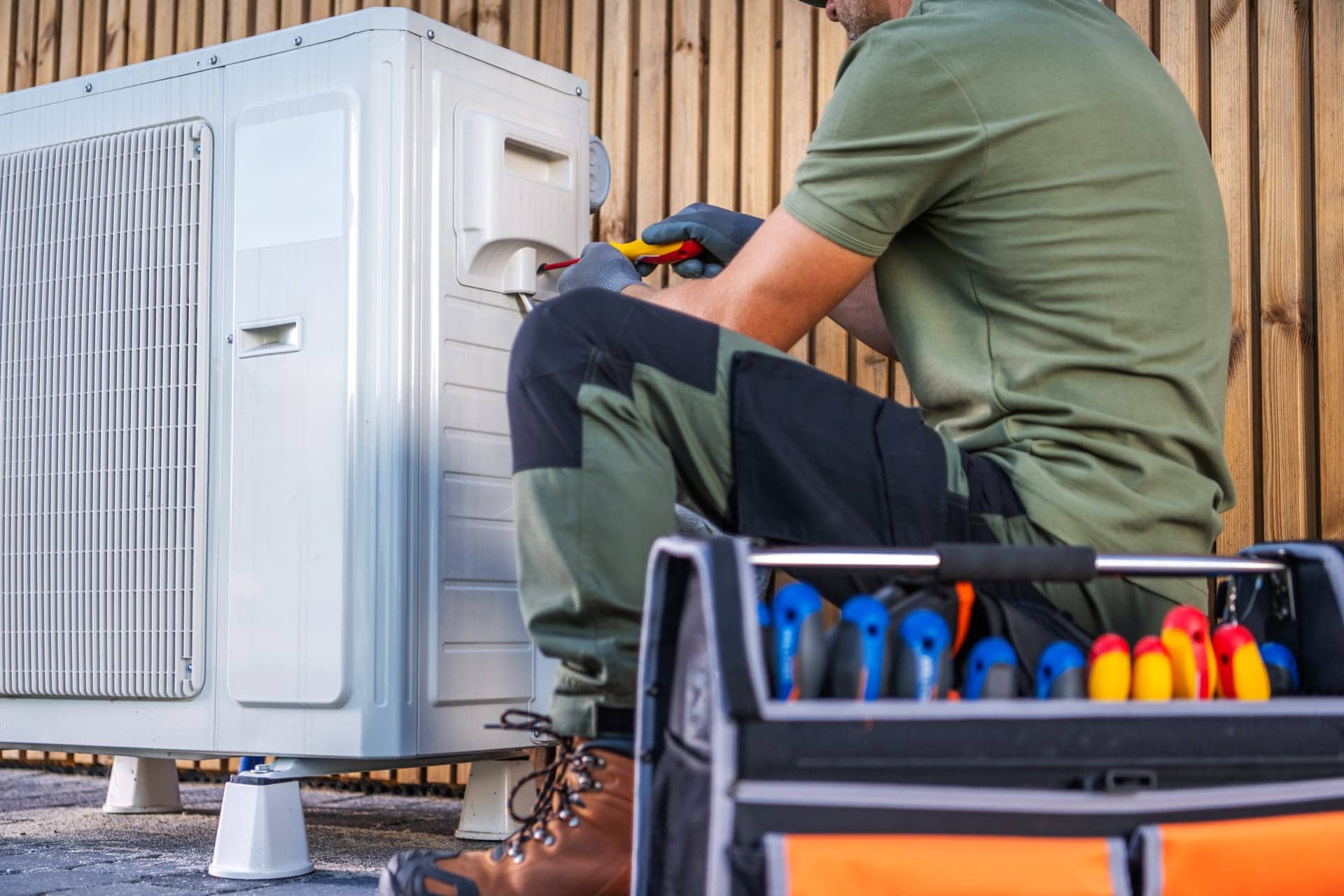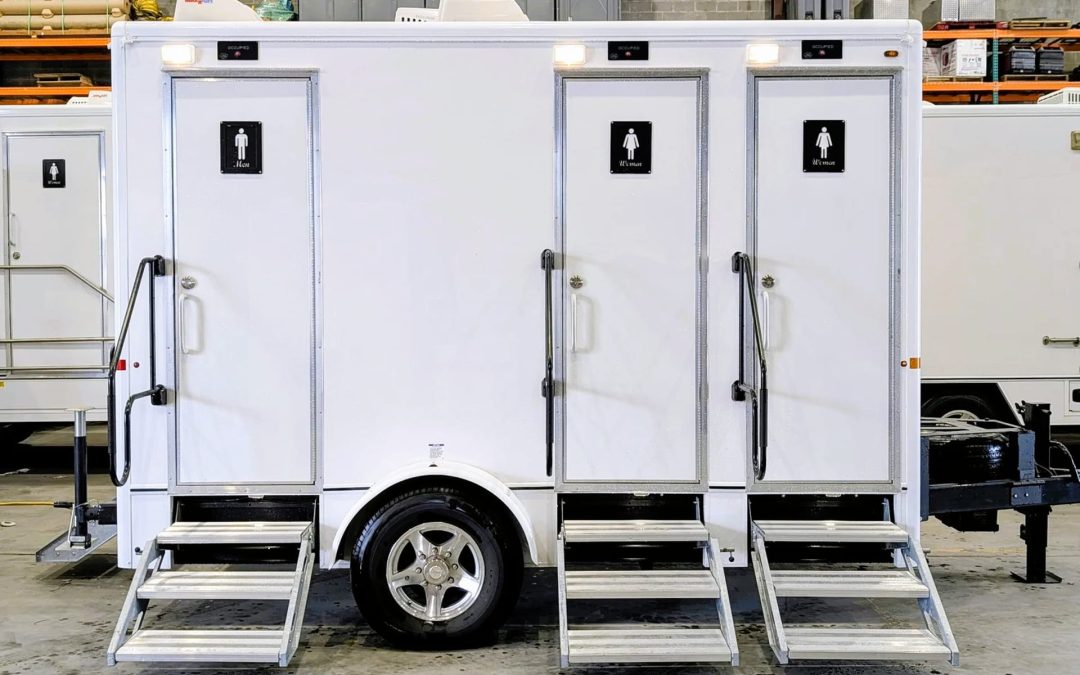
Centralized equipment rentals help events avoid operational risk by keeping power, lighting, and sanitation planning under one coordinated structure. Event planners manage tight schedules, multiple crews, and safety expectations that leave little room for confusion. A unified rental approach improves oversight and reduces gaps that often appear when services operate separately. Pelican Events explains, “When equipment planning connects early, problems show themselves long before crowds arrive.”
1. Centralized Equipment Planning Approach
Centralized equipment rentals reduce risk by aligning logistics, layout decisions, and support responsibilities into one clear process. Event planners often experience smoother setups when planning happens as a single system instead of scattered segments. Consistency improves visibility across the entire site. Clear coordination supports safer operations from arrival through breakdown.
- Shared planning timelines
- Unified equipment layout maps
- Reduced last-minute adjustments
2. Reduced Vendor Confusion
Multiple vendors can create overlapping instructions and missed expectations. Centralized equipment rentals limit risk by assigning accountability to one coordinating team. Communication stays direct and organized rather than passing through layers. Fewer misunderstandings improve confidence during fast-moving event days.
- Single communication channel
- Clear responsibility assignments
- Consistent setup direction
3. Stronger Site Layout Control
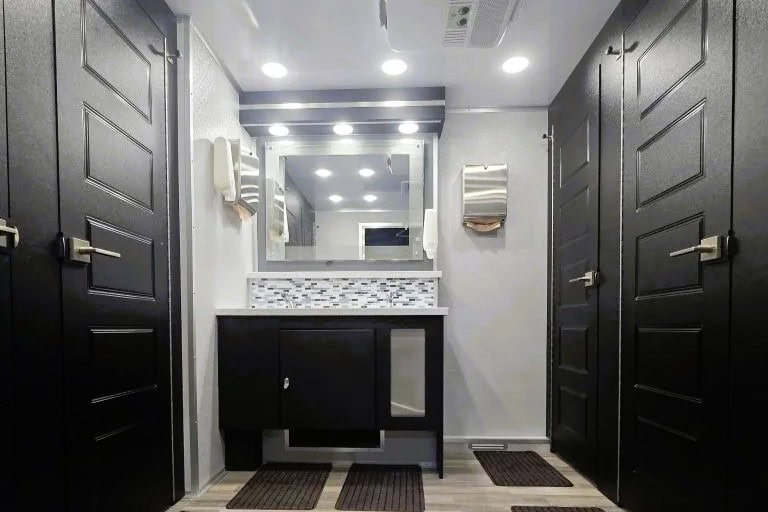
Site layouts influence safety more than many planners realize. Centralized equipment rentals allow lighting, power, and sanitation placement to support one another instead of competing for space. The CDC emphasizes proper spacing and access for crowd health and mobility during public gatherings. Structured layouts lower congestion risks.
- Defined walkways
- Improved emergency access
- Balanced equipment spacing
4. Safer Temporary Power Distribution
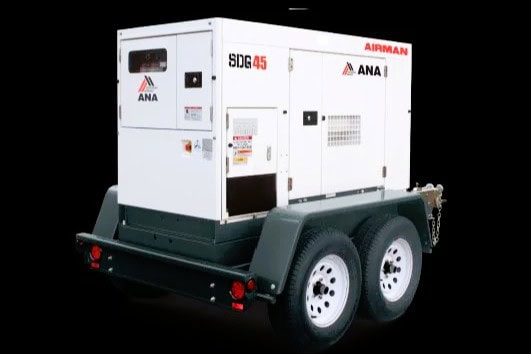
Temporary power introduces risk when load planning lacks coordination. Centralized equipment rentals help prevent overload by evaluating total demand instead of isolated usage. The U.S. Department of Energy reports that improper load balance remains a leading cause of power disruption. Unified oversight improves reliability.
- Balanced generator output
- Cleaner cable routing
- Reduced shutdown potential
5. Improved Crowd Movement Visibility
Lighting placement shapes how people move after dark. Centralized equipment rentals guide crowd flow by improving visibility along walkways and gathering zones. FEMA guidance highlights lighting as a key factor during emergency movement. Visibility reduces hesitation and confusion.
- Illuminated paths
- Clear entry and exit zones
- Lower trip hazard exposure
6. Faster Issue Resolution On Site
Unexpected issues demand immediate understanding of system connections. Centralized equipment rentals reduce downtime because support teams already know the layout. Familiarity shortens troubleshooting time. Rapid response protects both safety and scheduling.
- Immediate technical access
- Knowledge of full setup
- Reduced escalation delays
7. Consistent Equipment Compatibility
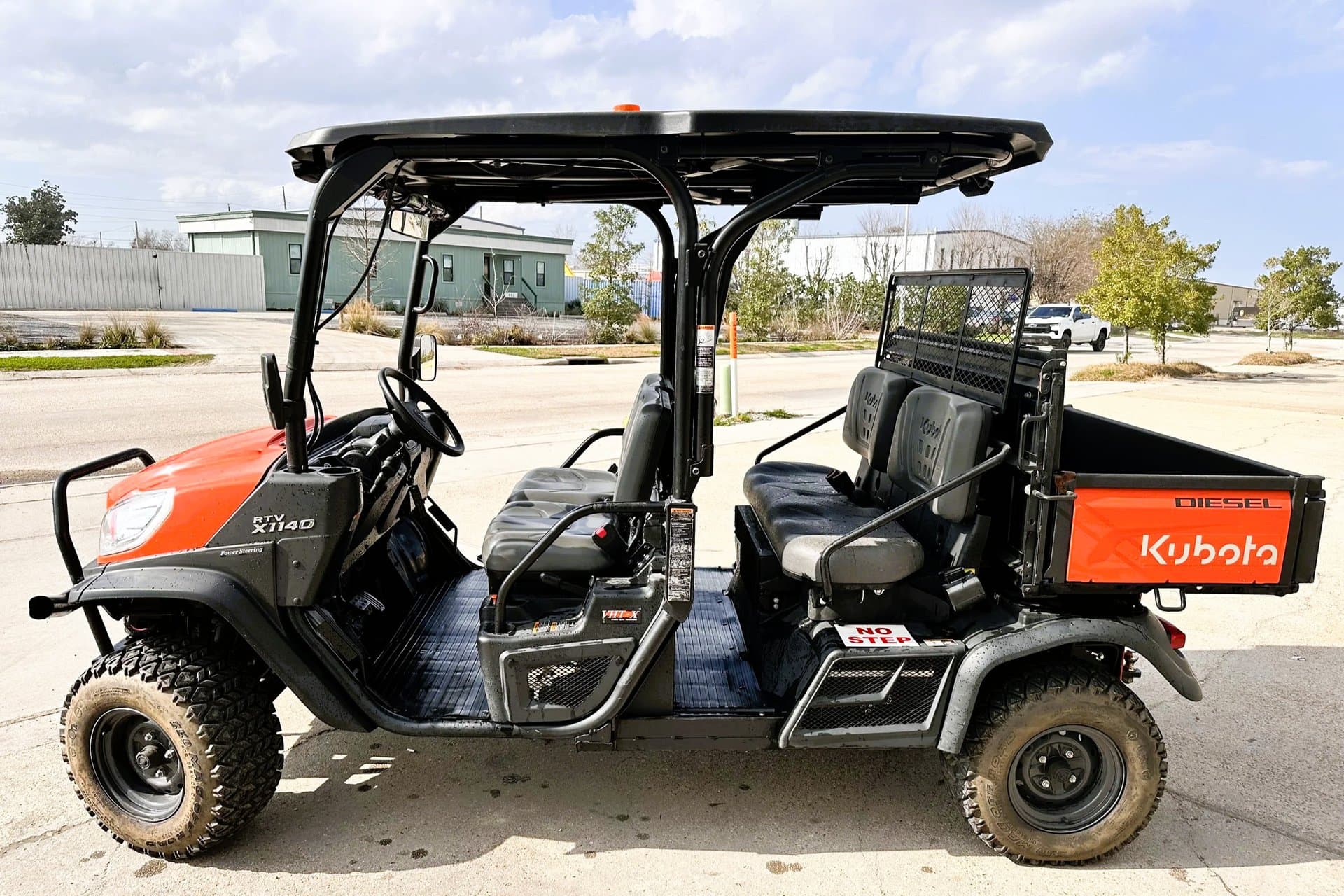
Equipment compatibility affects performance stability. Centralized equipment rentals help prevent mismatched connections and unreliable adapters. The National Institute of Standards and Technology emphasizes system compatibility for dependable temporary operations. Matched equipment performs predictably.
- Standardized connections
- Reduced failure points
- Improved operational consistency
8. Lower Setup and Breakdown Exposure
Setup and teardown periods often carry the highest safety exposure. Centralized equipment rentals reduce congestion by coordinating delivery and removal schedules. OSHA data shows crowded work zones increase injury potential. Structured movement protects crews.
- Staggered equipment arrival
- Defined work areas
- Reduced heavy-traffic overlap
9. Improved Emergency Readiness
Emergency readiness depends on system awareness. Centralized equipment rentals strengthen preparedness by integrating backup planning into the initial layout. FEMA materials stress redundancy for large public gatherings. Coordinated systems support quicker response.
- Backup power planning
- Continuous lighting coverage
- Clear response zones
10. Clearer Operational Oversight
Oversight becomes easier when information flows through one structure. Centralized equipment rentals provide planners with a complete operational view. Visibility improves decision-making under pressure. Strong oversight reduces blind spots.
- Unified monitoring
- Simplified reporting paths
- Stronger situational awareness
Why Centralized Equipment Rentals Reduce Event Risk
Centralized equipment rentals reduce event risk by connecting planning, layout, and response into a single operational system. Each section above highlights how fragmented coordination increases uncertainty. Unified oversight strengthens predictability even during changing conditions. Connected systems support safer environments for both crews and attendees.
Key Takeaways Centralized Equipment Rentals Reduce Event Risk
- Unified planning reduces coordination gaps
- Integrated layouts improve safety visibility
- Balanced power lowers outage exposure
- Central oversight speeds problem resolution
- Emergency readiness improves through alignment
Frequently Asked Questions
Why do centralized equipment rentals improve safety?
Centralized planning connects systems early, reducing conflicts during setup and live operations.
Can centralized rentals reduce downtime?
Unified oversight allows technicians to respond faster when adjustments become necessary.
Does one provider simplify coordination?
Clear responsibility prevents confusion when multiple systems interact on site.
How does centralized planning affect crowd flow?
Lighting and layout coordination guide movement and reduce congestion points.
Is centralized planning helpful for emergency response?
Integrated systems allow responders to act quickly with clear visibility and access.

Piper Burch is a distinguished author and journalist, renowned for her insightful coverage of local business news and enterprises. With a keen eye for uncovering the stories that shape communities, Piper brings a wealth of experience and a deep understanding of the economic landscape to her writing. Her work is characterized by a commitment to highlighting the successes, challenges, and innovations of local businesses, providing readers with a comprehensive view of their community’s economic health and potential.