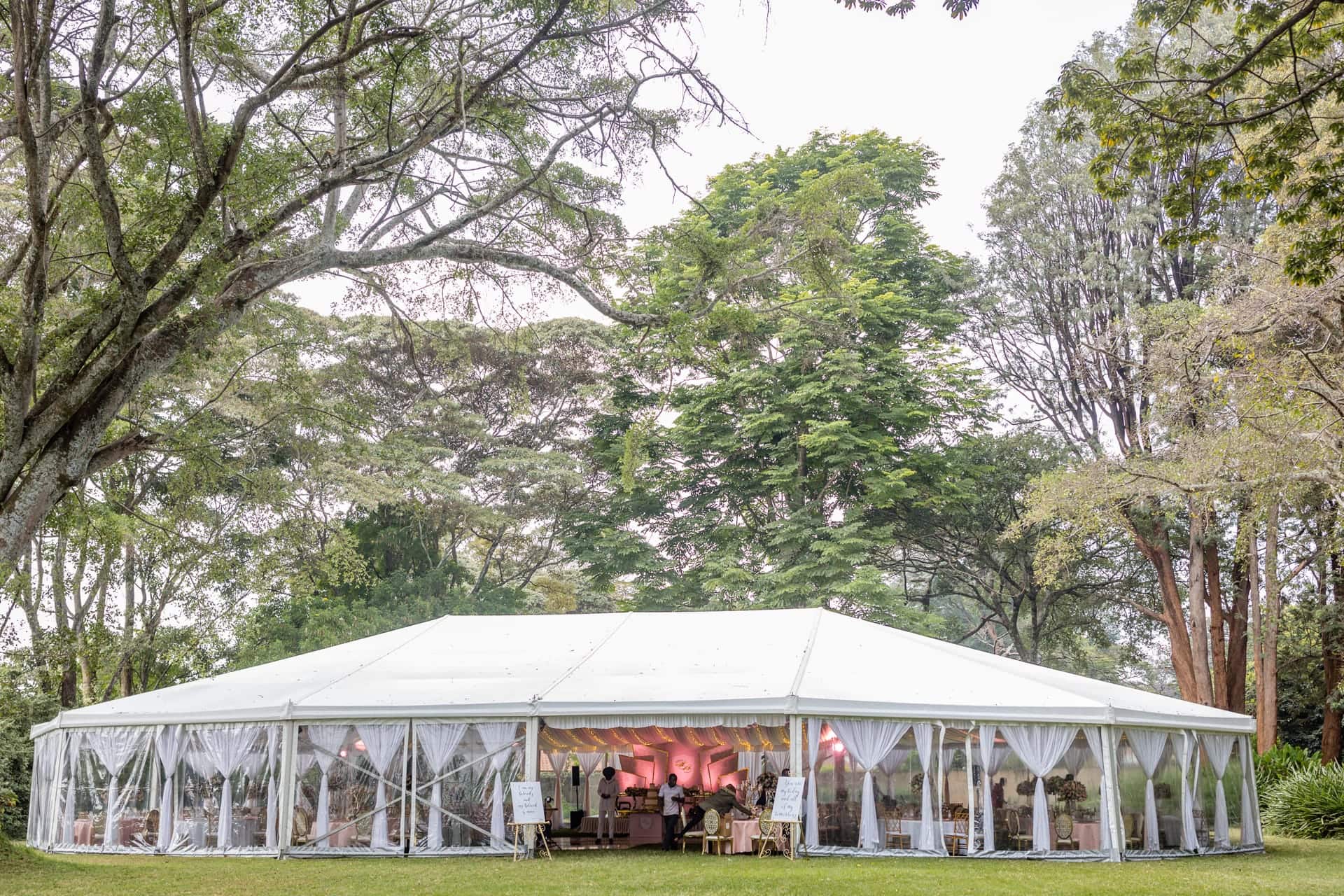
Calculating portable restroom needs takes more than applying one number to a guest list because attendance, event length, beverage service, weather and crowd movement can change how often facilities are used. Anyone trying to calculate how many porta potties they need for an event can begin with attendance, then adjust that estimate according to conditions guests and workers will experience. Pelican Events offers a practical lesson from its production experience, stating, “We count the bodies in the catering list,” when explaining how the company anticipates equipment needs for people actually present on a site. Ten separate factors can help organizers build a more realistic restroom estimate without repeatedly counting the same demand.
- Begin with the total number of people expected on site.
- Adjust the estimate for conditions that increase restroom use.
- Evaluate accessibility, sanitation and location separately from capacity.
Calculating Porta Potty Needs
Portable restroom calculations become more useful when attendance serves as the baseline rather than the finished number. A 300-person gathering lasting two hours may create far less restroom traffic than a 300-person festival operating throughout the day, even though attendance is identical. Pelican Events explains that its crews support events, film productions and other temporary sites, noting, “24/7 we are a part of your crew” when discussing production support. Crowd size comes first, then each remaining factor helps refine what that crowd is likely to need.
- Establish the expected population first.
- Consider actual restroom usage rather than attendance alone.
- Adjust one variable at a time to avoid overestimating demand.
1. Count Every Person
Accurate attendance provides the strongest starting point because invited guests are not the only restroom users. Caterers, entertainers, technicians, security personnel, vendors and volunteers may remain on site for hours before or after the public portion of a gathering. OSHA sanitation standards for covered permanent workplaces illustrate how restroom requirements increase with population, listing one water closet for 1 to 15 employees, two for 16 to 35 and three for 36 to 55. Those numbers are workplace requirements rather than an event guest formula, but they demonstrate why workers should not disappear from the overall count.
- Add confirmed and projected guests.
- Include vendors, employees and production crews.
- Consider reasonable walk-up attendance when applicable.
- Update the estimate as registration numbers change.
2. Calculate Event Hours
Duration affects porta potty demand because every additional hour creates more opportunities for the same people to use the facilities. The Portable Sanitation Association International identifies attendee count and event duration as two factors rental providers should review, stating that more people and longer events require more units. A short wedding ceremony and an eight-hour outdoor festival should not automatically receive the same calculation simply because they expect an identical crowd. Setup and breakdown periods may also extend facility use beyond the hours advertised to guests.
- Calculate the full public operating period.
- Include meaningful setup and breakdown hours.
- Account for overnight activity during multi-day gatherings.
3. Estimate Beverage Demand
Beverage availability can raise restroom traffic without changing the headcount at all. PSAI portable restroom guidance states that units at sites where people consume substantial amounts of food and beverages are typically used more than average. Its portable restroom planning guidance also says events serving alcohol should plan for more units. Bars, water stations and unlimited drink service can therefore justify an upward adjustment when organizers calculate how many porta potties are needed.
- Record how long bars will remain open.
- Consider unlimited and self-service drink stations.
- Increase capacity when beverage consumption is expected to be heavy.
4. Add Handwashing Capacity
Food service creates a sanitation concern that toilet quantities alone cannot solve. The CDC recommends washing hands for at least 20 seconds with soap and clean running water, particularly after using the restroom and before eating or preparing food. CDC data also shows that community handwashing education can reduce diarrheal illness by 23% to 40% and respiratory illnesses by 16% to 21%. Festivals, fairs, catered parties and similar gatherings can use those findings when deciding how much handwashing capacity should accompany portable toilets.
- Place washing facilities near restroom areas.
- Keep soap and water supplied throughout the event.
- Consider food-service areas when choosing locations.
- Check supplies during periods of heavy use.
5. Predict Restroom Surges
Average demand does not reveal whether dozens of people will need a restroom at exactly the same moment. PSAI event restroom guidance uses a 5K as an example because nearly everyone may want to use the restroom around the same time, while visitors to a come-and-go art fair tend to spread their visits throughout the day. Concert intermissions, halftime periods, ceremony endings and meal breaks can produce similar surges. Extra capacity near those pressure points can reduce lines more effectively than placing additional toilets far from the crowd.
- Identify scheduled breaks and intermissions.
- Look for activities that release large crowds at once.
- Position enough facilities near predictable high-use areas.

6. Account for Hot Weather
Temperature can affect restroom demand because hotter conditions often encourage guests to drink more fluids. The Portable Sanitation Association International specifically lists outside temperature as a calculation factor and explains that warmer days can lead to greater liquid consumption and more restroom visits. Heat can also make odors and cleanliness more noticeable when units receive heavy use for several hours. Outdoor summer events may need both sufficient capacity and closer attention to servicing.
- Review expected daytime temperatures.
- Consider the amount of drinking water available.
- Monitor heavily used units during prolonged heat.
7. Calculate Accessible Units
Accessible portable toilets involve a measurable requirement rather than a general estimate. The U.S. Access Board portable toilet guidance states that when portable single-user toilets are provided at covered temporary events, at least 5% of the units in each cluster must be accessible. A cluster containing 20 units would require at least one accessible unit under that federal standard. Accessible routes, entrances, turning space and maneuvering clearances also need to meet applicable requirements, so accessibility extends beyond simply adding a larger portable toilet.
- Apply the 5% requirement to each applicable cluster.
- Keep accessible routes clear of obstacles.
- Allow adequate maneuvering and turning space.
- Check state, local and venue requirements as well.
8. Divide Large Sites
One large restroom bank may look sufficient on paper while remaining inconvenient for guests on the opposite side of a sprawling property. Festivals, fairs and outdoor productions often contain separate stages, food areas, vendor zones and gathering spaces that generate different patterns of foot traffic. The PSAI restroom placement checklist recommends considering terrain, curbing, stability and service-truck access when choosing portable toilet locations. Dividing available units among several useful locations can shorten walks without automatically increasing the total rental quantity.
- Measure distances from major activity areas.
- Create separate clusters when the grounds are spread out.
- Keep pedestrian and emergency routes clear.
- Leave sufficient access for service vehicles.
9. Match Event Behavior
Guest behavior explains why similarly sized gatherings can require different restroom arrangements. PSAI event planning recommendations tell organizers to consider event type and traffic flow because synchronized activities can produce much heavier short-term demand than gatherings where visitors continuously arrive and leave. A road race might experience its busiest restroom period immediately before the starting signal, while an outdoor market may see steady use throughout the afternoon. Estimating when people arrive, leave and change activities gives the original headcount much more context.
- Estimate how long most guests will stay.
- Determine whether attendees arrive together or gradually.
- Identify activities that concentrate people in one area.
10. Set Service Frequency
Long and multi-day gatherings can sometimes benefit more from scheduled cleaning than from simply adding another row of toilets. Pelican Events portable restroom servicing is handled with the company’s own septic-truck fleet, and the company states that its crews manage cleaning, waste removal and restocking. Trained service teams follow scheduled processes intended to keep units sanitized, deodorized and supplied during continued use. Organizers can factor service frequency into the calculation when a festival, production or other gathering operates for an extended period.
- Schedule cleaning around quieter periods.
- Monitor toilet paper and sanitation supplies.
- Give heavily used clusters greater service attention.
- Reassess conditions throughout multi-day events.
Refining Restroom Calculations
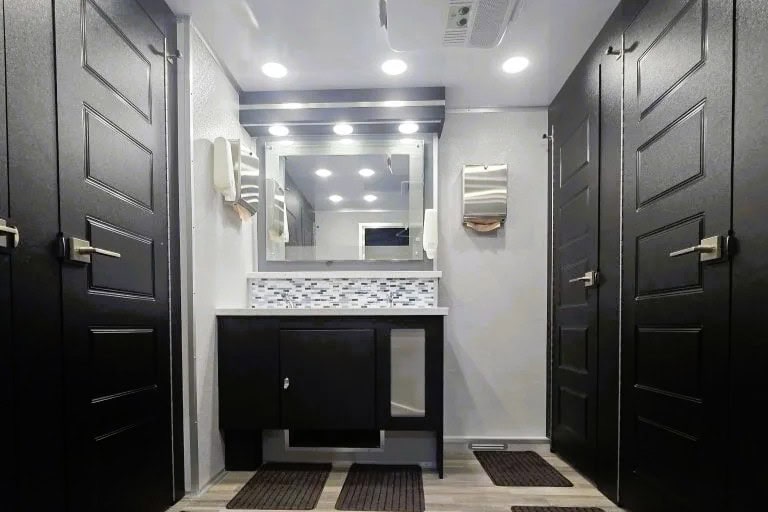
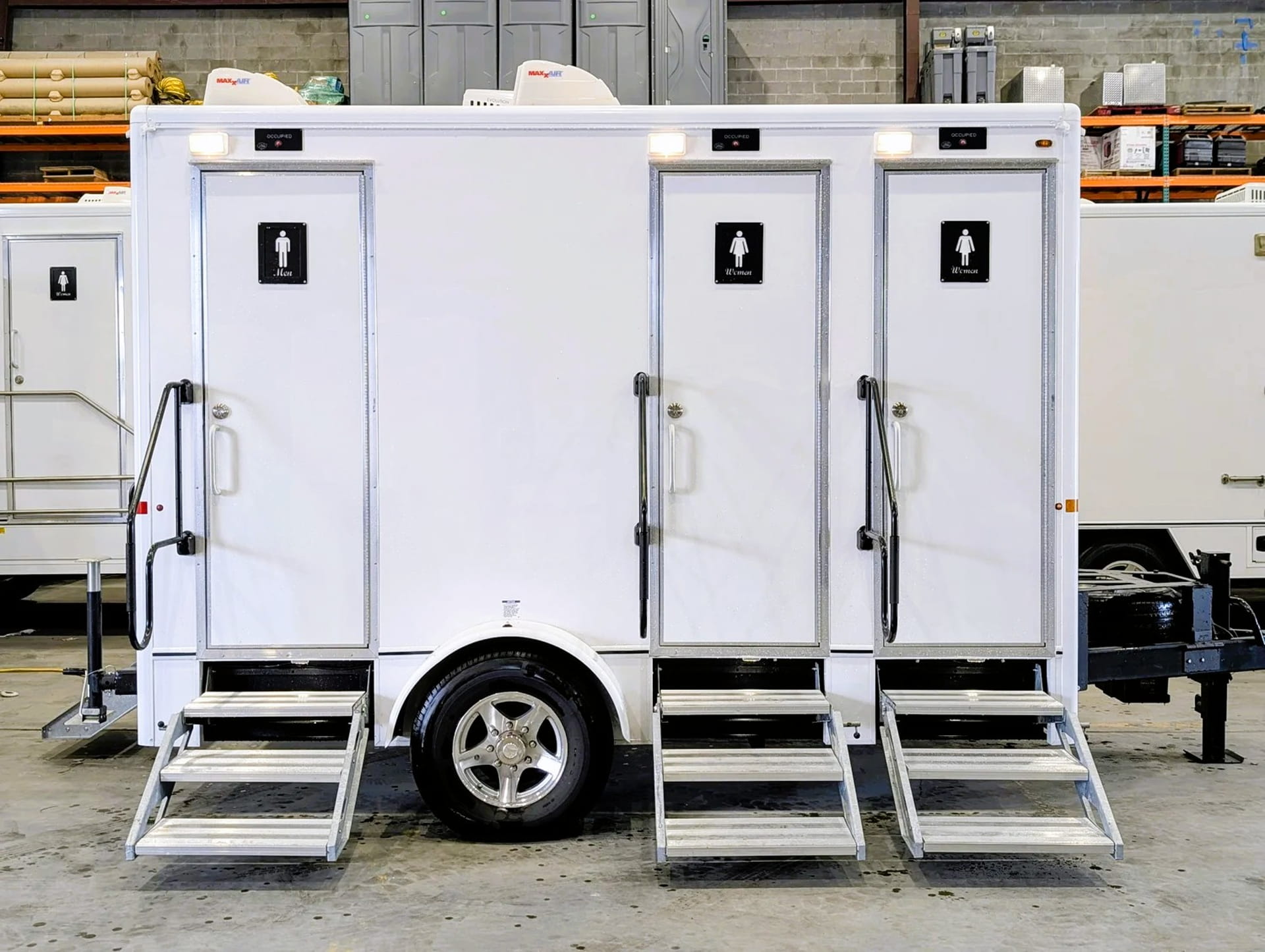
A useful calculation separates factors that increase restroom visits from those affecting location, accessibility and cleanliness. Headcount establishes scale, duration and beverage consumption influence frequency, crowd schedules reveal potential rushes, and site layout determines where available capacity will do the most good. The U.S. Access Board’s 5% accessibility requirement provides a concrete benchmark for applicable portable-toilet clusters, while the CDC’s 20-second handwashing guidance provides a useful sanitation benchmark. Pelican Events offers standard portalets, accessible restrooms, restroom trailers and in-house service, giving organizers several equipment types to consider once the expected demand has been calculated.
- Use attendance to establish overall scale.
- Use duration and beverages to estimate frequency.
- Use traffic patterns to anticipate periods of heavy demand.
- Use accessibility requirements to calculate compliant facilities.
- Use servicing to preserve usable capacity during long events.
Porta Potty Key Takeaways
Calculating how many porta potties you need for an event works better when every adjustment answers a different question. Attendance shows how many people might need facilities, operating hours and beverage service affect how often they may use them, and the schedule reveals when demand could become concentrated. Accessibility, handwashing capacity and service frequency address separate needs that a simple guest-to-toilet ratio cannot measure. Combining those factors produces a calculation based on how the gathering will actually operate.
- Count guests and working personnel.
- Consider duration separately from attendance.
- Account for heavy beverage service and restroom surges.
- Include required accessible units and routes.
- Support restroom areas with appropriate sanitation facilities.
Porta Potty FAQs
How Many Porta Potties Are Needed for 100 Guests?
No single federal guest-to-portable-toilet formula determines the proper number for every 100-person gathering. PSAI portable sanitation guidance recommends considering attendance along with duration, traffic flow, outside temperature and food or beverage service because those variables change actual demand. A short gathering can have very different restroom needs from an all-day outdoor festival serving beverages continuously.
Does Alcohol Increase Porta Potty Needs?
Alcohol and extended beverage service can increase restroom demand because guests may consume more fluids during the gathering. PSAI guidance for portable restroom rentals specifically states that organizers serving alcohol should plan for more units. The actual adjustment depends on attendance, operating hours, traffic patterns and any permanent restrooms already available.
Should Event Staff Be Included in the Restroom Count?
Staff members, vendors, performers and production crews should be counted because they also use the facilities and may remain on site longer than attendees. OSHA workplace sanitation requirements also scale toilet facilities according to employee population at covered permanent workplaces. Those rules are separate from event guest calculations, but they reinforce the importance of accounting for workers rather than relying only on ticket sales.
How Many ADA Porta Potties Are Required?
The U.S. Access Board accessibility guidance states that at least 5% of portable single-user toilets in each applicable cluster must be accessible. A cluster containing 20 units would therefore require at least one accessible unit under the federal standard. Routes, entrances, turning space and other required clearances also form part of accessibility compliance.
How Often Should Porta Potties Be Serviced?
No single servicing interval fits every gathering because use changes with attendance, duration, temperature and beverage consumption. PSAI portable restroom recommendations advise considering temperature and expected usage when discussing cleaning schedules, while Pelican Events’ in-house restroom service includes cleaning, waste removal and restocking. Long events and heavily used clusters may require attention during operating hours rather than waiting until final pickup.

Piper Burch is a distinguished author and journalist, renowned for her insightful coverage of local business news and enterprises. With a keen eye for uncovering the stories that shape communities, Piper brings a wealth of experience and a deep understanding of the economic landscape to her writing. Her work is characterized by a commitment to highlighting the successes, challenges, and innovations of local businesses, providing readers with a comprehensive view of their community’s economic health and potential.